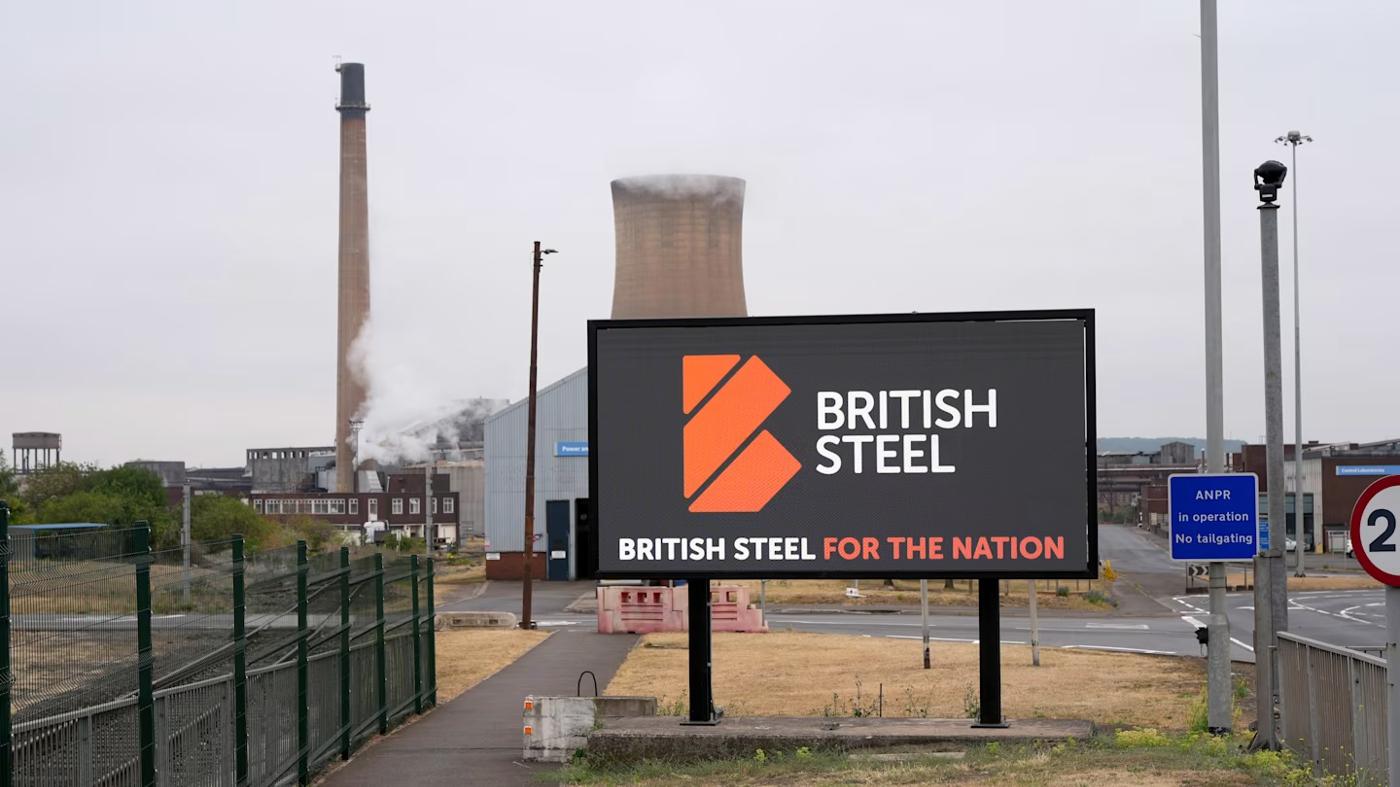
What Actually Happened on 16 July 2026?
On 16 July 2026, British Steel was brought into public ownership under the Steel Industry (Nationalisation) Act. The government had already been running the business under intervention since April 2025, when it stepped in to prevent the former owner — the Chinese group Jingye — from shutting the two blast furnaces at Scunthorpe. Talks over the company's future did not produce an agreement that secured the plant while offering value for taxpayers, so the government took the business into state hands.
The reason this matters at a national level is straightforward: Scunthorpe is the UK's last site capable of making primary steel from iron ore in a blast furnace. Losing it would have ended the country's ability to produce virgin steel from scratch — the material that underpins large infrastructure, construction and rail projects. Keeping the furnaces running protects that capability, along with around 2,700 jobs at the site.
The nationalisation sits alongside the wider UK Steel Strategy published in March 2026, which is backed by up to £2.5bn of investment and sets an ambition for up to half of the steel used in the UK to be made in the UK. That same package includes support for Tata Steel's transition to electric arc furnace steelmaking at Port Talbot — a related but separate story we cover in our piece on what electric arc furnace steel means for engineering bar.
What British Steel Actually Makes — And What It Doesn't
This is the part that gets lost in the headlines. British Steel's Scunthorpe output is dominated by long products for construction and infrastructure: rail track, structural sections, wire rod and rebar. These are the products that go into railways, buildings, bridges and reinforced concrete.
British Steel does not make the bright drawn and alloy engineering bar that CNC shops, precision engineers and hydraulic cylinder manufacturers rely on. Free-cutting grades like EN1A, through-hardening alloy grades like EN19 and EN24, case-hardening grades like EN36 and 8620 — these are engineering steels, and they come from a different set of specialist mills, most of them outside the UK.
Engineering Bar Is a Different, Import-Heavy Supply Chain
Britain has never made the full range of engineering steels domestically. Industry estimates commonly put the UK's dependence on imported engineering-grade steel at around 90%. Many alloy and free-cutting bar grades are simply not produced here at volume — they have long been drawn from specialist European mills with the metallurgy and finishing lines to make them.
That import dependence is exactly why the trade change that landed on 1 July 2026 — two weeks before the nationalisation — matters far more to engineering bar buyers than the ownership of Scunthorpe does. From that date the UK replaced its old steel safeguard with a much tighter tariff-rate quota: the government cut tariff-free import volumes by 51% against the previous measure, set the total quota at roughly 3.2 million tonnes, and applied a 50% tariff on anything imported above quota. HMRC administers the quotas quarterly, first-come first-served. The full mechanics are in our companion guide to the July 2026 UK steel tariffs.
Put the two events together and the picture for engineering steel is clear. Nationalisation protects domestic long-product steelmaking. The quota regime tightens the imported engineering-bar supply that nationalisation does nothing to replace. For a machine shop, the second is the one that touches your price and your lead time.
Where the exposure sits, grade by grade
Not every grade is equally exposed. The grades with an established UK production base ride out the quota changes more comfortably than the grades that have always been imported.
| Engineering grade | UK production base | Import / quota exposure |
|---|---|---|
| EN8 (080M40), EN19 (708M40), EN3B, S355 J2 | Well established in the UK | Lower |
| EN24 (817M40) | Limited — largely specialist European mills | Higher |
| Free-cutting EN1A / EN1A Pb | Some UK supply, significant European volume | Higher |
| Stainless engineering bar | Very limited in the UK | Highest |
The alloy grades that carry nickel and molybdenum — EN24 (817M40) most obviously — are where import dependence bites hardest, because domestic capacity for them is thin. Widely produced grades such as EN19 (708M40) and EN8 (080M40) are better insulated, but they are not immune to the general upward pressure on price as cheaper import routes close off.
Does Nationalisation Help Engineering Buyers at All?
Indirectly, yes — but do not overstate it. A stable, publicly-backed British Steel keeps a large domestic steelmaker running, which supports the wider UK steel ecosystem, protects skills and supply chains, and reduces the risk of a sudden capacity shock in long products. The Steel Strategy's ambition to raise the UK-made share of steel consumption is a genuine, if slow-moving, structural shift.
What nationalisation does not do is put bright EN1A or alloy EN24 on a UK production line tomorrow. Engineering bar buyers should read the July news as reassurance about the country's steelmaking base, not as relief on the specific grades they buy. The practical exposure on those grades still runs through the import quota system — and through whoever holds the stock.
What Should You Do Now?
For most engineering steel buyers — machine shops, sub-contract manufacturers, maintenance and MRO teams across the sectors we serve — the practical actions are the same ones the July quota regime already called for, and nothing in the nationalisation changes them:
- Separate the two stories in your own planning. Nationalisation is about construction and rail steel. Your bright and alloy bar supply is governed by the import quota regime. Do not assume one fixes the other.
- Check your exposure on import-dependent grades. If you use EN24, free-cutting grades or stainless bar in volume, ask your supplier directly where their stock stands after July and whether supply is confirmed at current prices.
- Hold a sensible buffer on predictable lines. For grades and sizes you use consistently, two to three weeks of stock from a reliable UK stockholder is cheap insurance against a quarterly quota squeeze.
- Use cut-to-length from stock instead of mill minimums. Buying finished lengths from held UK stock avoids both mill lead times and quota timing. Our sawing and cut-to-length service runs 13 saws from 10mm to 600mm diameter.
Parkside Steel holds 25 engineering grades from stock at Sherwood Park — not exposed to import quotas or the 50% above-quota tariff. Talk to our sales team about the grades and sizes you rely on.
► Request a QuoteOur View
Bringing British Steel into public ownership is a significant moment for UK steelmaking, and on its own terms it is welcome — a country that can no longer make its own primary steel is in a weaker position, and that outcome has been avoided for now. But it is important to be honest about what it means for the people who buy engineering bar: not very much, directly.
We have supplied engineering steel for nearly five decades, through quota regimes, anti-dumping duties and more than one supply shock. The lesson is always the same. When policy and supply chains move, the buyers who cope best are the ones with a trusted, well-stocked UK supplier at the end of the phone — not the ones chasing the cheapest import price without a plan for what happens when a quota fills.
If you want a practical read on how the July 2026 changes affect the specific grades and volumes you use, call us. That is a straightforward conversation, not a sales pitch — just an honest assessment of where your supply sits and whether anything needs to change.